79. Life Jackets Explained: Types, Requirements, and Why They Matter
The Most Important Safety Equipment Onboard
Few safety items matter more than:
👉 life jackets.
Yet many boaters:
- carry the wrong type
- store them improperly
- never inspect them
- fail to wear them when conditions deteriorate
And in many boating fatalities:
👉 life jackets were onboard — just not being worn.
First: Not All Life Jackets Are the Same
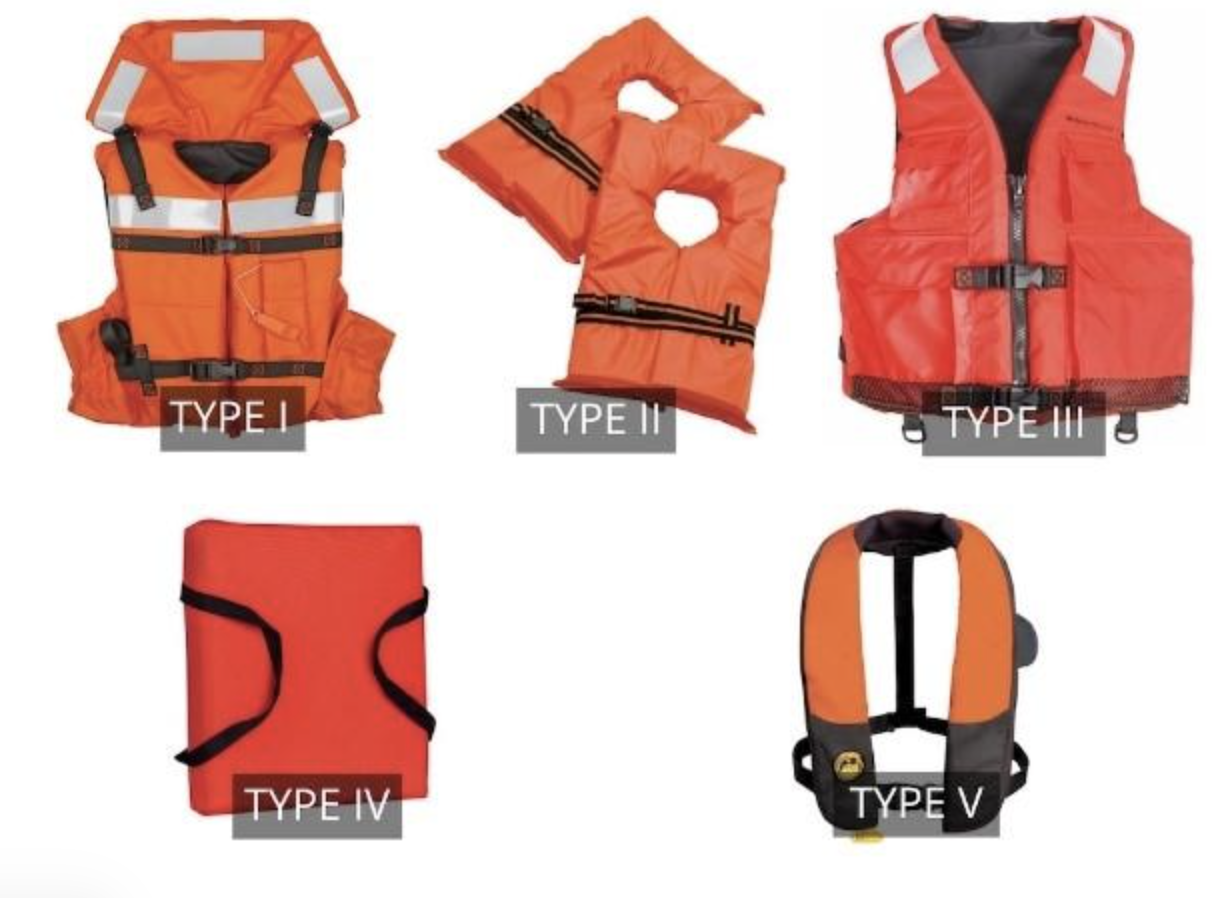
There are different types of Personal Flotation Devices (PFDs), each designed for different situations.
Type I — Offshore Life Jacket
Designed for:
- offshore use
- rough or remote waters
Advantages:
- highest buoyancy
- designed to turn unconscious wearer face-up
Best for:
- offshore boating
- commercial operations
- extended passages
Type II — Near-Shore Buoyant Vest
Designed for:
- calmer inland waters
- situations with quicker rescue response
Common on:
- recreational boats
Type III — Flotation Aid
Most common recreational vest.
Typically:
- more comfortable
- easier to move in
Popular for:
- fishing
- watersports
- general recreational boating
Type IV — Throwable Device
Examples:
- ring buoy
- cushion
These are:
👉 thrown to a person in the water
Not worn.
Type V — Special Use Devices
Includes:
- inflatable PFDs
- hybrid systems
- work vests
Must often be:
👉 worn to count toward carriage requirements.
The Law
Under U.S. regulations:
👉 vessels must carry properly sized wearable life jackets for each person onboard.
Children may have additional requirements depending on:
- age
- state laws
- vessel type
Reference:
U.S. Coast Guard
Accessibility Matters
Life jackets should NOT be:
- buried under gear
- sealed in storage
- inaccessible during emergency
In an emergency:
👉 seconds matter.
Inflatable Life Jackets
Inflatable PFDs are increasingly popular because they:
- are comfortable
- reduce heat
- encourage actual wear
But they require:
- inspection
- maintenance
- cartridge replacement
Real-World Reality
The best life jacket:
👉 is the one actually being worn.
Especially:
- offshore
- at night
- in rough conditions
- during solo operation
Children and Guests
Guests often:
- do not know where safety gear is
- do not understand marine risks
That’s why safety briefings matter.
👉 Related article:
https://boatncrew.com/blog/charter-safety-briefing
Offshore Safety Layers
Life jackets are only one part of offshore preparedness.
Serious offshore operators also consider:
- EPIRBs
- life rafts
- MMSI registration
- VHF distress procedures
👉 Related safety articles:
- https://boatncrew.com/blog/epirbs-explained
- https://boatncrew.com/blog/mmsi-explained
- https://boatncrew.com/blog/distress-calls-on-vhf
Tether Switches and Man Overboard Risk
On smaller recreational vessels, especially high-speed boats:
- operator ejection is a serious concern
This is why engine cutoff tether switches are so important.
👉 Related article:
https://boatncrew.com/blog/engine-cutoff-switches
Inspection Matters
Check regularly for:
- torn straps
- damaged buckles
- mildew
- waterlogging
- expired inflatable components
Commercial and Charter Considerations
Commercial operators and charter vessels may have:
👉 additional carriage and inspection requirements.
Operators using BoatnCrew.com should ensure:
- all safety equipment is compliant
- PFDs are properly sized
- guests know where equipment is located
Where professional crew verification matters, operators may also utilize:
Safety Hub
For additional boating safety articles and emergency preparedness guides, visit:
👉 https://boatncrew.com/safety-blog
Final Thought
Life jackets are not there to satisfy regulations.
They are there because emergencies happen:
- fast
- unexpectedly
- often without warning
And when things go wrong on the water:
👉 flotation matters immediately.
External References
U.S. Coast Guard