191. Inspecting and Cleaning Your Dock Lines: What Every Boat Owner Should Know
Your Dock Lines Are Safety Equipment
Many boat owners treat lines as:
- accessories
- consumables
- “good enough if they still hold”
That is a mistake.
Your dock lines protect:
- your vessel
- neighboring boats
- docks
- cleats
- passengers
- marina property
And when lines fail:
👉 damage happens fast.
What Damages Dock Lines?
Dock lines deteriorate from:
- UV exposure
- salt
- chafing
- heat
- dirt and grit
- constant load cycling
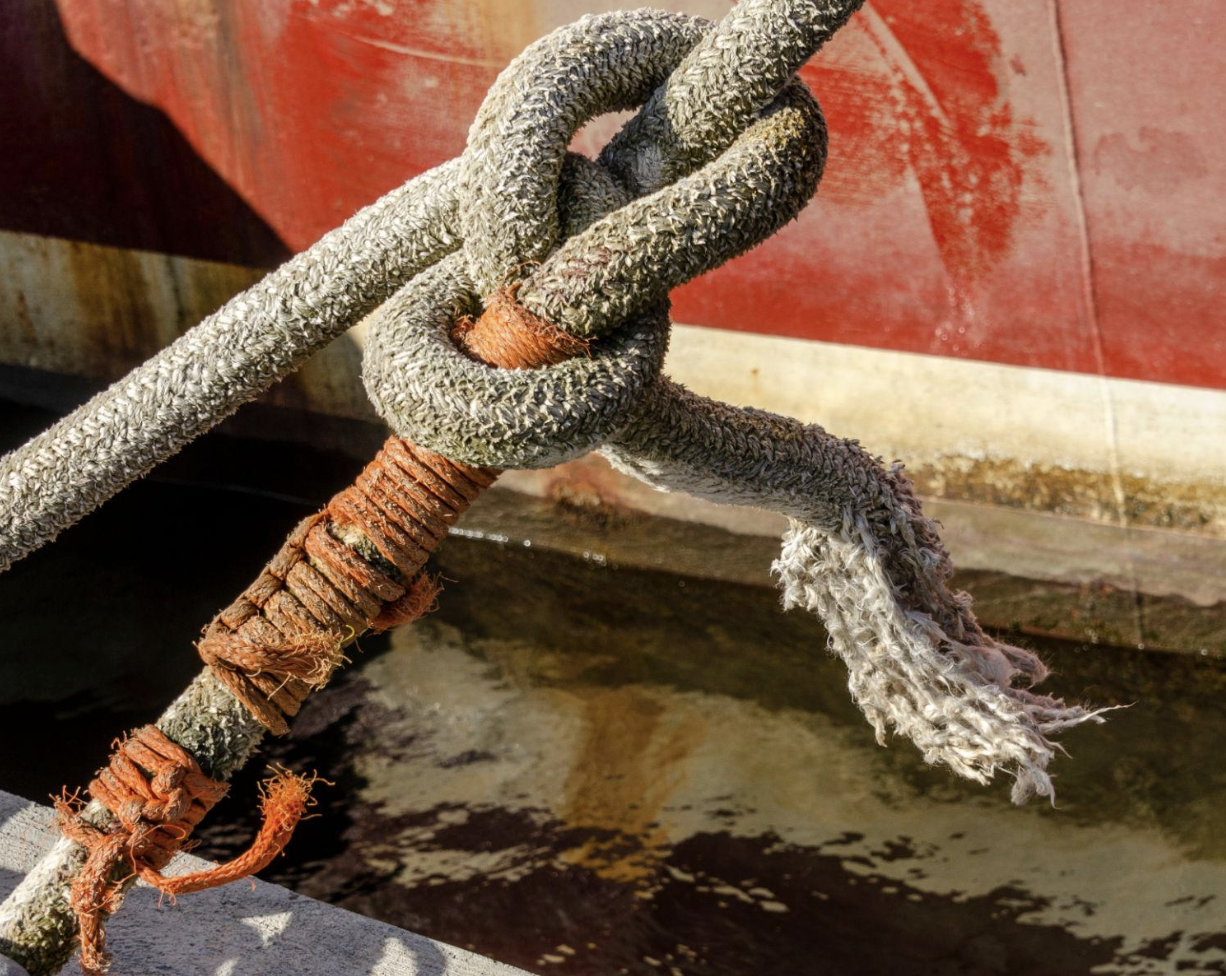
Even lines that “look okay” may already be weakened internally.
What to Inspect Regularly
Look carefully for:
Fraying
Especially:
- near cleats
- chocks
- pilings
- splice points
Hard or Brittle Areas
This may indicate:
- UV damage
- salt crystallization
- internal weakening
Flattening or Compression
Repeated loading can permanently deform fibers.
Discoloration or Mildew
Can indicate:
- contamination
- moisture retention
- aging material
Chafe Is One of the Biggest Problems
Movement creates friction.
Especially during:
- storms
- tidal movement
- wakes
- high wind conditions
That friction slowly cuts into the line fibers.
Chafe Protection Matters
Use:
- chafe guards
- reinforced hose sections
- proper routing
Especially:
- at chocks
- rough edges
- pilings
👉 Related article:
https://boatncrew.com/blog/properly-securing-your-boat-to-the-dock
Salt Water Is Hard on Lines
Salt buildup:
- stiffens fibers
- traps abrasive particles
- accelerates wear
This is why lines should occasionally be:
👉 rinsed with fresh water.
How to Clean Dock Lines
For most synthetic lines:
Basic Cleaning
- rinse thoroughly with fresh water
- remove sand/salt/debris
Deep Cleaning
You may:
- soak in mild soap solution
- hand wash gently
- air dry fully
Avoid:
- harsh chemicals
- bleach
- excessive heat drying
Never Store Wet Lines Improperly
Wet lines stored poorly may develop:
- mildew
- odor
- fiber deterioration
Store:
- dry
- ventilated
- loosely coiled
Knot and Splice Areas Need Extra Attention
Inspect carefully where:
- lines are frequently tied
- stress concentrates
- movement occurs
Especially:
- eye splices
- cleat hitch zones
- spring line attachment points
👉 Related article:
https://boatncrew.com/blog/basic-boating-knots-explained
Don’t Use Damaged Lines “One More Season”
This is common:
👉 “They’ll probably last.”
Until:
- storm load increases
- tide changes
- wake hits
- line parts suddenly
The cost of replacing lines is tiny compared to:
- hull damage
- marina damage
- insurance claims
Real-World Marina Mistake
Many vessels break loose not because:
- conditions were extreme
but because:
👉 neglected lines finally failed under stress.
Crossed Stern Lines and Elasticity
On many reverse-in slips, properly crossed stern lines:
- help center the vessel
- improve elasticity
- reduce fore-and-aft movement
But elasticity only works:
👉 if the lines themselves remain healthy.
Platform Note
Boat owners listing vessels on BoatnCrew.com should regularly inspect all docking equipment and lines, especially for vessels left unattended or used in charter/rental operations.
Professional captains and crew verified through:
often understand the importance of proper docking preparation and line management.
Safety Hub
For additional boating safety articles and seamanship guides, visit:
👉 https://boatncrew.com/safety-blog
Internal Links to Include
👉 Link these related articles:
- https://boatncrew.com/blog/properly-securing-your-boat-to-the-dock
- https://boatncrew.com/blog/basic-boating-knots-explained
- https://boatncrew.com/blog/docking-in-high-wind
External References
BoatUS Foundation https://www.boatus.org
Final Thought
Dock lines rarely fail without warning.
The warning signs are usually there:
- fraying
- stiffness
- chafe
- age
The key is:
👉 paying attention before conditions test them.