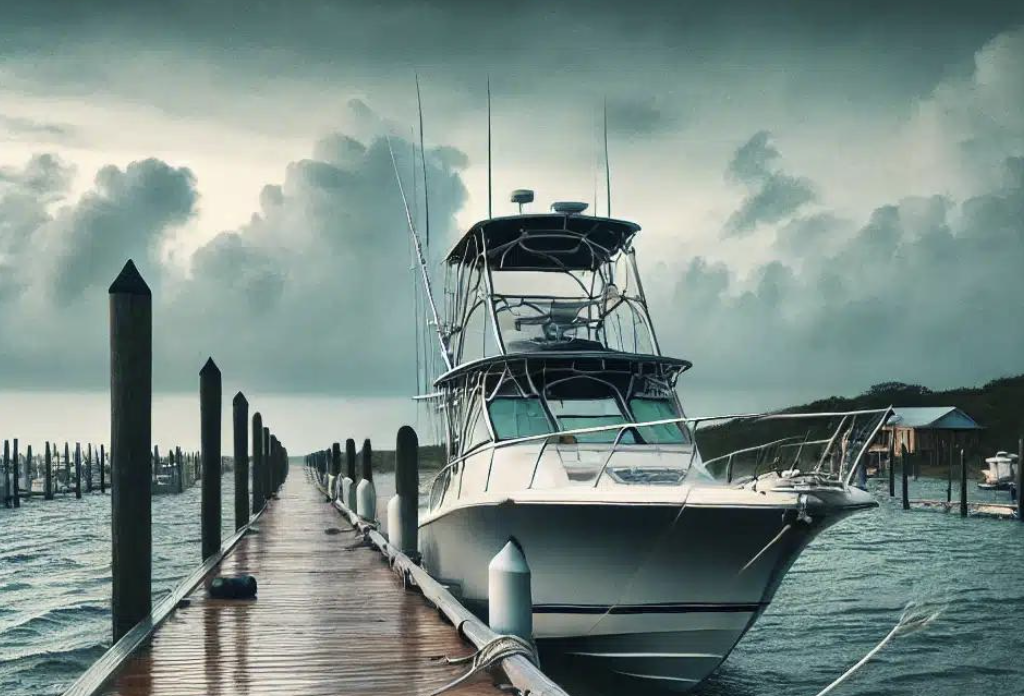
191. Properly Securing Your Boat to the Dock: Lines, Weather, Tides, and Real-World Considerations
Dock Lines Are Not “Set and Forget”
One of the most overlooked boating skills is:
👉 properly securing a vessel at the dock.
Many boaters assume:
- throw a few lines
- tighten everything
- walk away
That approach can create:
- damaged cleats
- snapped lines
- vessel movement
- dock damage
- dangerous loading on hardware
Especially:
- during storms
- tidal changes
- wakes
- high wind conditions
Conditions Matter
How you secure your boat should depend on:
- marina layout
- tides and current
- weather forecast
- vessel size
- exposure to wakes
- length of stay
A setup suitable for:
👉 calm overnight conditions
may be completely inadequate for:
👉 several days of wind and tidal movement.
The Basic Dock Lines
Most vessels typically use:
- bow line
- stern line
- forward spring line
- aft spring line
Spring lines are especially important because they:
👉 control forward and aft movement.
Tight Is Not Always Better
One of the biggest mistakes:
👉 overtightening lines.
Your vessel needs:
- controlled movement
- room for tide changes
- shock absorption
Overtightened lines can:
- snap under load
- overload cleats
- pull the vessel awkwardly against the dock
Tides Change Everything
In tidal waters:
- water level changes constantly
- line angles change
- tension changes
This is especially important in:
- rivers
- tidal marinas
- floating vs fixed docks
👉 Related article:
https://boatncrew.com/blog/docking-in-rivers
High Wind Considerations
During high wind:
- additional spring lines may be necessary
- chafing protection becomes important
- fender positioning becomes critical
Strong crosswinds can place enormous stress on:
- cleats
- pilings
- dock hardware
👉 Related article:
https://boatncrew.com/blog/docking-in-high-wind
Inspect Your Lines Regularly
Dock lines deteriorate from:
- UV exposure
- salt
- chafing
- age
Check regularly for:
- fraying
- hard spots
- discoloration
- weakening fibers
👉 Related article:
https://boatncrew.com/blog/inspecting-and-cleaning-boat-lines
Knot Knowledge Matters
Improper knots fail surprisingly often.
Every boater should understand:
- cleat hitch
- bowline
- clove hitch
- round turn and two half hitches
Especially for:
- fenders
- temporary docking
- spring line adjustments
👉 Related article:
https://boatncrew.com/blog/basic-boating-knots-explained
Fenders Are Part of the System
Fenders should:
- protect contact points
- adjust for tide and movement
- match dock height
But remember:
👉 fenders are protection — not primary securing devices.
Storm Preparation
Before severe weather:
- double lines where appropriate
- increase chafing protection
- verify cleat integrity
- allow for surge and tidal variation
And importantly:
👉 remove unnecessary windage if possible.
Real-World Marina Reality
Many vessels break loose not because:
- conditions were impossible
but because:
- lines were old
- knots were poor
- spring lines were missing
- owners underestimated conditions
Platform Note
Owners listing vessels on BoatnCrew.com should ensure their vessels are properly secured and maintained, especially when left unattended in marinas or rental operations.
Where professional crew or captain verification is important, operators may also utilize:
Safety Hub
For additional boating safety articles and seamanship guides, visit:
👉 https://boatncrew.com/safety-blog
External References
U.S. Coast Guard
Final Thought
Proper docking is not just about arriving safely.
It is also about:
👉 ensuring your vessel remains safe after you leave.
And sometimes, the real test begins after the engines are shut down.