

191. Why It’s Normal to See a Little Water in the Bilge
Many New Boat Owners Panic When They See Water in the Bilge
A very common question from newer boaters is:
👉 “Why is there water in my bilge?”
The important thing to understand is:
👉 a small amount of water in the bilge is often completely normal.
What matters is:
- how much
- how quickly it appears
- where it is coming from
What Is the Bilge?
The bilge is the lowest interior section of the boat where:
- water
- condensation
- runoff
- minor leakage
naturally collects.
Most boats will accumulate at least some moisture over time.
Common Sources of Minor Water
Normal sources may include:
- shaft seals
- packing glands
- air conditioning condensation
- rainwater intrusion
- washdown runoff
- melting ice from coolers
- anchor locker drainage
A little water after:
- washing the boat
- rain
- rough conditions
may not be unusual.
What Is NOT Normal
You should become concerned if:
- water rises quickly
- bilge pumps cycle constantly
- water appears oily
- the source cannot be identified
- water reaches electrical systems
That may indicate:
- hose failure
- hull leak
- shaft issue
- plumbing problem
- through-hull failure
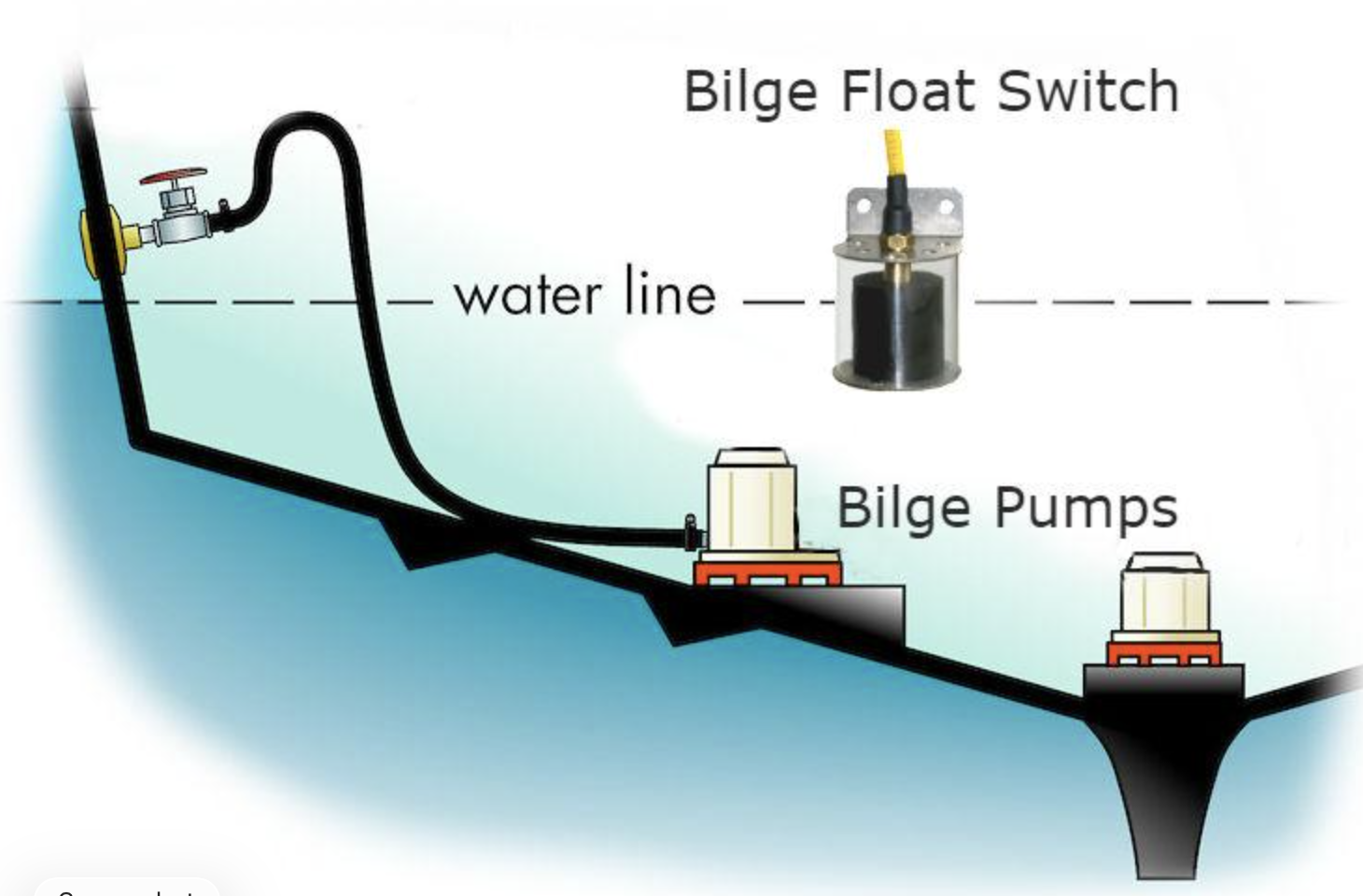
Bilge Pumps Are Critical
Your bilge pump system is one of your:
👉 most important safety systems.
You should regularly check:
- automatic float switches
- pump operation
- discharge flow
- battery voltage
👉 Related article:
https://boatncrew.com/blog/bilge-pumps-explained
Keep the Bilge Clean
Dirty bilges create problems.
Debris may:
- clog pumps
- jam float switches
- trap odors
- hide leaks
Oil or fuel in the bilge is also:
👉 a serious environmental concern.
Fuel and Fire Risk
A dirty engine compartment and contaminated bilge increase:
- fire risk
- vapor accumulation
- mechanical issues
Never use your engine compartment as:
👉 a storage area.
Especially:
- oily rags
- loose tools
- unsecured containers
👉 Related article:
https://boatncrew.com/blog/engine-room-safety
Saltwater vs Freshwater
Saltwater accumulation may:
- accelerate corrosion
- damage wiring
- affect pumps and fittings
Even small leaks should be:
👉 monitored carefully over time.
Real-World Perspective
Experienced captains often:
- know their bilge
- recognize “normal”
- notice changes quickly
That familiarity matters.
Because catching a problem early:
👉 is far easier than dealing with flooding offshore.
Platform Note
Boat owners operating through BoatnCrew.com should routinely inspect bilge systems and ensure vessels are mechanically safe before charter, rental, or passenger operations.
Professional captains and crew verified through:
often understand the importance of routine bilge and pump inspection.
Safety Hub
For additional boating safety and vessel maintenance articles, visit:
👉 https://boatncrew.com/safety-blog
Internal Links to Include
👉 Link these related articles:
- https://boatncrew.com/blog/bilge-pumps-explained
- https://boatncrew.com/blog/engine-room-safety
- https://boatncrew.com/blog/properly-securing-your-boat-to-the-dock
External References
U.S. Coast Guard
Final Thought
A perfectly dry bilge is not always realistic.
But:
👉 understanding what is normal versus dangerous
is part of becoming a knowledgeable and responsible boat owner.