82. Basic Boating Knots Every Boat Owner Should Know
Knots Matter More Than People Think
A poorly tied knot can lead to:
- damaged vessels
- broken lines
- failed docking
- drifting boats
- injuries
And in rough conditions:
👉 knot failure happens fast.
Every boater should understand at least a few:
- reliable
- practical
- easy-to-use knots
Not dozens.
Just the ones you will actually use.
1️⃣ The Cleat Hitch (Most Important Docking Knot)
The cleat hitch is probably:
👉 the most commonly used boating knot.
Used for:
- docking
- spring lines
- temporary securing
When tied properly:
- holds securely
- releases relatively easily
- distributes load properly
Common Mistake
Many people:
- wrap randomly
- add unnecessary loops
- create jams
A proper cleat hitch should:
👉 lock cleanly without becoming impossible to release.
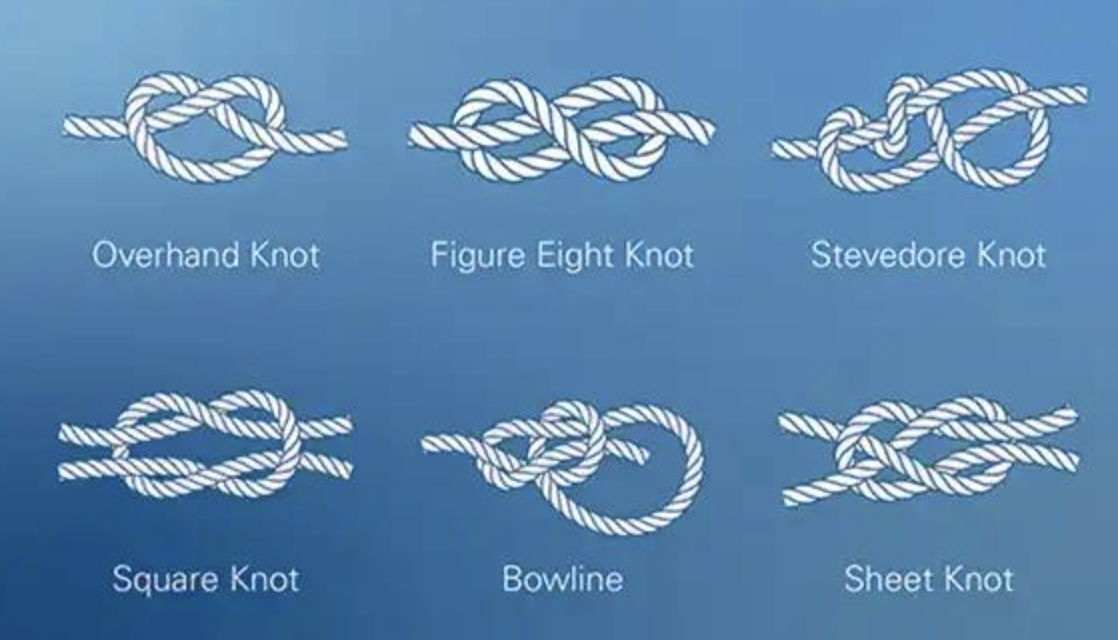
2️⃣ The Bowline
The bowline creates:
👉 a fixed loop that will not tighten under load.
Very useful for:
- docking lines
- temporary loops
- emergency situations
Often called:
👉 “the rescue knot”
because it creates a reliable loop quickly.
3️⃣ The Clove Hitch
Very useful for:
- temporarily securing fenders
- quick attachment points
- temporary line handling
A clove hitch is commonly used when:
👉 adjusting fender height quickly.
Important Note About Fender Knots
Fenders should:
- be adjustable
- remain easy to reposition
This is one reason the clove hitch is popular:
👉 fast adjustment.
👉 Related article:
https://boatncrew.com/blog/properly-securing-your-boat-to-the-dock
4️⃣ Round Turn and Two Half Hitches
Excellent for:
- securing to rings
- pilings
- temporary tie-offs
The round turn helps:
👉 absorb load before locking the knot.
5️⃣ Figure Eight Knot
Simple but important.
Used as:
👉 a stopper knot
to prevent lines from slipping through fittings or pulleys.
Why Simplicity Matters
In stressful conditions:
- wind
- current
- darkness
- rough docking
you do not want:
👉 complicated knots.
You want:
- reliable
- repeatable
- familiar
Learn to Tie Knots Quickly
A knot you cannot tie quickly:
👉 is not useful during pressure.
Practice matters.
Especially:
- docking
- rafting up
- emergency response
Real-World Docking Reality
Improper knots contribute to:
- snapped lines
- slipping vessels
- dock damage
- difficult departures
Especially during:
- storms
- tidal movement
- heavy wakes
Knot Knowledge Helps With Safety
Proper line handling works together with:
- spring lines
- crossed stern lines
- docking strategy
- weather preparation
👉 Related article:
https://boatncrew.com/blog/inspecting-and-cleaning-boat-lines
Offshore and Emergency Situations
Basic knot knowledge also matters when:
- towing
- anchoring
- emergency rigging
- securing damaged equipment
👉 Related article:
https://boatncrew.com/blog/distress-calls-on-vhf
Platform Note
Boat owners using BoatnCrew.com should ensure operators and guests handling lines understand basic docking and knot safety procedures.
Professional seamanship and crew experience may also be verified through:
Safety Hub
For additional boating safety and seamanship articles, visit:
👉 https://boatncrew.com/safety-blog
Internal Links to Include
👉 Link these related articles:
- https://boatncrew.com/blog/properly-securing-your-boat-to-the-dock
- https://boatncrew.com/blog/inspecting-and-cleaning-boat-lines
- https://boatncrew.com/blog/docking-in-high-wind
External References
BoatUS Foundation
Final Thought
You do not need to know every knot.
But every boater should know:
👉 a few good ones extremely well.
Because when conditions worsen:
- confidence
- speed
- and reliability
matter a lot.