191. Fueling Your Boat Safely: Precautions, Spill Prevention, and Common Mistakes
Fueling Is One of the Highest-Risk Moments in Boating
Many fires, explosions, and environmental incidents happen:
👉 at the fuel dock.
Why?
Because fueling combines:
- fuel vapors
- confined spaces
- ignition sources
- distraction
And unlike on land:
👉 fuel vapors on boats often collect in enclosed compartments.
Before Fueling: Slow Down and Prepare
Before fueling:
Shut Down
- engines
- generators
- electronics when appropriate
No Smoking
Anywhere near:
- fuel fill
- vents
- engine compartment
Turn Off Open Flames
Including:
- stoves
- grills
- heaters
Know Which Fuel Your Boat Uses
This sounds obvious —
yet wrong-fuel incidents happen surprisingly often.
Gasoline into diesel:
- serious but often recoverable if not started
Diesel into gasoline:
- extremely dangerous
👉 Always verify the nozzle and fuel type before pumping.
👉 Related article:
https://boatncrew.com/blog/wrong-fuel-in-your-tank
Fuel Vapors Are Extremely Dangerous
Gasoline vapors:
- are heavier than air
- settle into bilges and compartments
- ignite easily
This is why engine compartment ventilation matters.
Run Your Blower Before Startup
If your vessel has an engine room blower:
👉 run it before starting the engine.
Especially:
- after fueling
- after long idle periods
This helps remove accumulated vapors.
👉 Related article:
https://boatncrew.com/blog/engine-room-blower-safety
Preventing Fuel Spills
Spills are:
- environmentally dangerous
- expensive
- potentially reportable
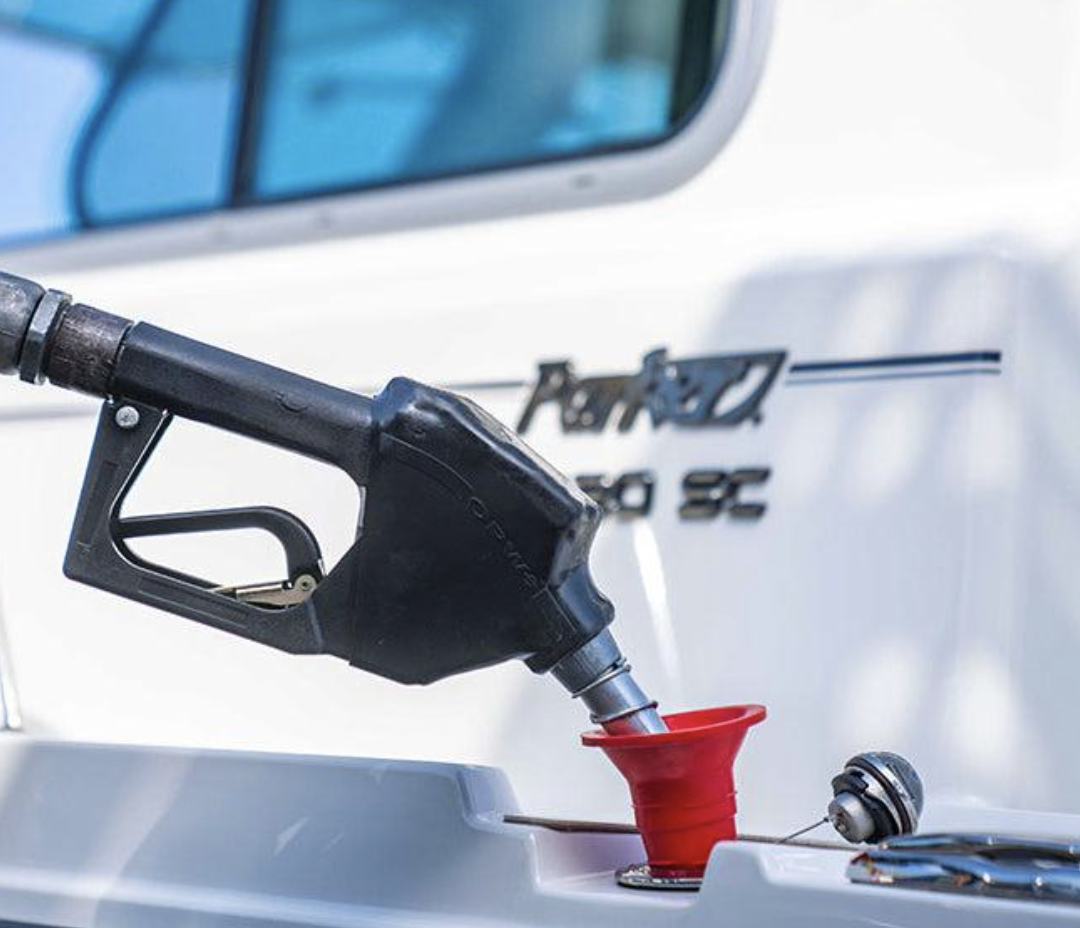
Best Practices During Fueling
- maintain nozzle control
- avoid topping off aggressively
- monitor vent overflow
- know tank capacity
- fuel slowly near full
Pay Attention to Fuel Vents
Fuel may discharge from:
👉 side vents
before the tank appears “full” at the fill point.
Many accidental spills happen because operators:
- walk away
- become distracted
- rely entirely on fuel dock attendants
What To Do If Fuel Spills
Immediately:
- stop fueling
- contain spill if possible
- notify marina/fuel dock
- avoid ignition sources
Do NOT:
- wash fuel into the water
- ignore the spill
- leave without reporting
Fueling at Night or in Rough Conditions
Extra caution is needed when:
- fueling at night
- fueling in current
- fueling in heavy wakes or wind
Movement can:
- increase splash risk
- affect nozzle control
- create overflow unexpectedly
Fuel Dock Etiquette Matters
Fuel docks are often:
- busy
- tight
- high-pressure environments
Prepare lines and fenders before approach.
👉 Related article:
https://boatncrew.com/blog/properly-securing-your-boat-to-the-dock
Offshore Fuel Planning
Running low on fuel offshore creates:
- stress
- navigation risk
- emergency situations
Good operators:
- monitor burn rate
- maintain reserve fuel
- understand range limitations
👉 Related article:
https://boatncrew.com/blog/fuel-management-on-the-water
Environmental Responsibility
Fuel spills may:
- damage marine ecosystems
- create fines
- trigger reporting requirements
Professional operators should treat fueling:
👉 as a serious operational procedure.
Platform Note
Boat owners and operators using BoatnCrew.com should ensure fueling procedures are handled safely and professionally, especially during charter or passenger operations.
Professional captains and crew verified through:
often understand proper fueling, spill prevention, and emergency procedures.
Safety Hub
For additional boating safety and operational articles, visit:
👉 https://boatncrew.com/safety-blog
Internal Links to Include
👉 Link these related articles:
- https://boatncrew.com/blog/engine-room-blower-safety
- https://boatncrew.com/blog/wrong-fuel-in-your-tank
- https://boatncrew.com/blog/fuel-management-on-the-water
- https://boatncrew.com/blog/properly-securing-your-boat-to-the-dock
External References
U.S. Coast Guard
National Oceanic and Atmospheric Administration
Final Thought
Fueling should never feel rushed or routine.
Because one distracted moment at the fuel dock can quickly become:
- a fire
- an explosion
- an environmental incident
- or a very expensive mistake.