1. Vessel Traffic Services (VTS): What Charter Operators Need to Know
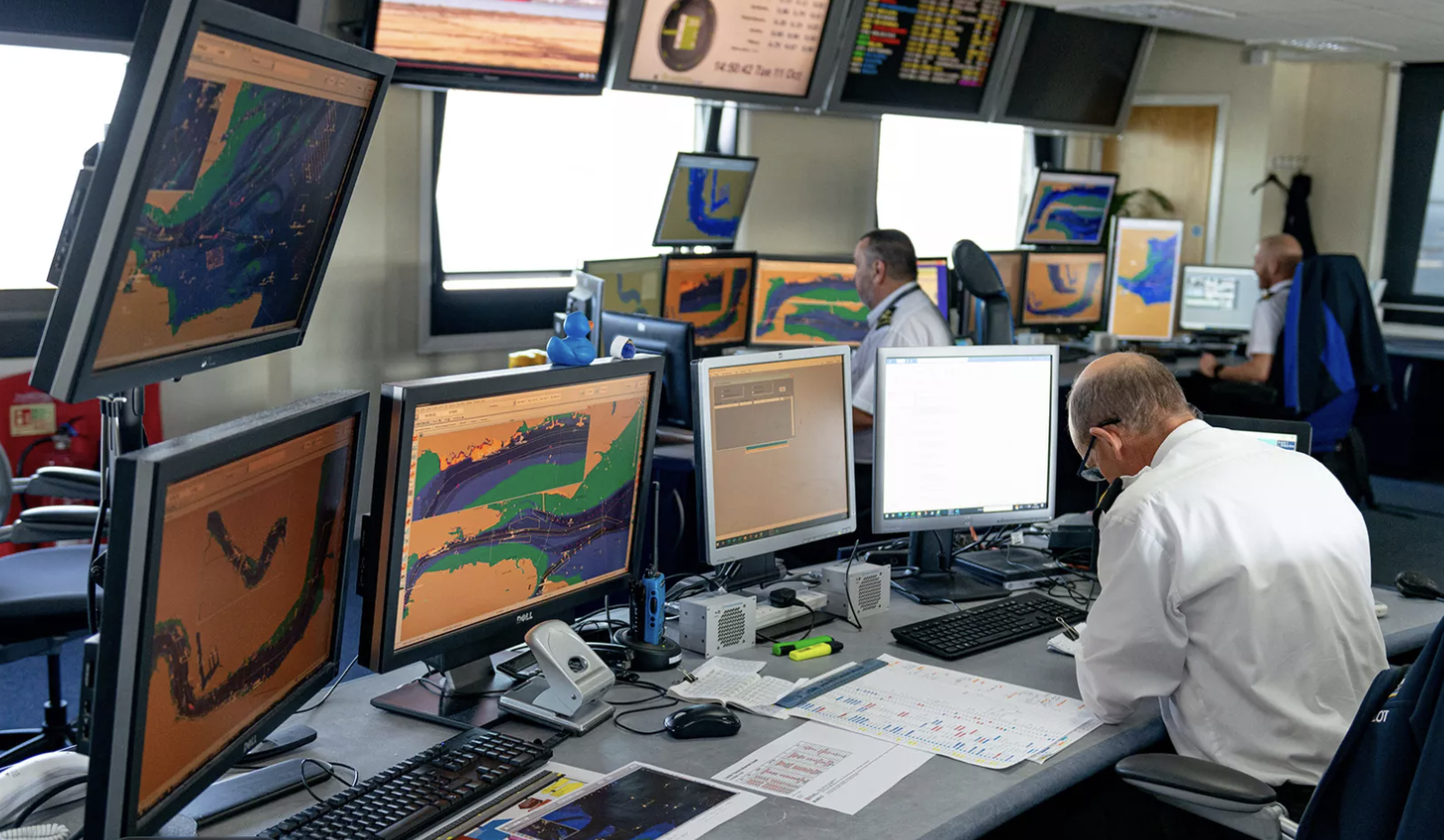
Vessel Traffic Services (VTS) are often described as the maritime equivalent of air traffic control. Operated by the United States Coast Guard, VTS centers monitor vessel movements in high-traffic waterways and provide navigational assistance, safety information, and traffic management to reduce the risk of collisions or groundings.
For charter operators, commercial vessels, and even some recreational traffic operating in busy ports, understanding VTS procedures is essential for safe and compliant navigation.
What Is Vessel Traffic Service?
VTS systems monitor vessel traffic using:
- Radar
- Automatic Identification System (AIS)
- Radio communications
- Surveillance cameras
- Electronic chart systems
Operators communicate with vessels primarily via VHF radio, providing advisories regarding:
- Traffic congestion
- Navigational hazards
- Weather conditions
- Restricted waterways
- Vessel movement coordination
Official reference:
U.S. Coast Guard VTS Program
https://www.navcen.uscg.gov/vessel-traffic-services
Where VTS Exists in the United States
Major U.S. VTS zones include:
- New York Harbor
- San Francisco Bay
- Puget Sound
- Houston / Gulf Intracoastal
- Lower Mississippi River
- Los Angeles / Long Beach
Each area has specific reporting requirements governed by 33 CFR Part 161.
Reference:
Electronic Code of Federal Regulations
https://www.ecfr.gov/current/title-33/part-161
When Charter Operators Must Report to VTS
Reporting requirements vary depending on vessel size and type, but operators should monitor VTS channels when navigating in controlled areas.
Typically required vessels include:
- Commercial vessels over certain tonnage
- Towing vessels
- Passenger vessels
- Certain hazardous cargo carriers
Even when not mandatory, many professional operators voluntarily monitor VTS channels to stay informed about traffic conditions.
Why VTS Matters for Charter Operations
Charter vessels operating in busy waterways often share space with:
- Cargo ships
- Tankers
- Ferries
- Tug and barge operations
- Pilot vessels
Understanding VTS communication improves safety and situational awareness.
Professional charter operators often maintain AIS equipment and monitor traffic channels to stay informed about surrounding vessel movement.
BoatnCrew connects vessel owners and charter operators with customers seeking professional boating experiences. Maintaining operational awareness through systems like VTS helps ensure safe operations and responsible charter activity.
When hiring licensed captains for charter operations, owners may also verify professional credentials through SeaCred.com, which provides optional credential verification for marine professionals.
Final Thoughts
As waterways become increasingly congested, the role of Vessel Traffic Services continues to grow. Charter operators who understand VTS procedures demonstrate professionalism and commitment to maritime safety.