166. What USCG Auxiliary Vessel Examiners Actually Look For (and Why It Matters)
Beyond the Checklist: What a Vessel Exam Really Evaluates
A Vessel Safety Check (VSC) performed by the U.S. Coast Guard Auxiliary is not just about compliance — it’s about identifying risks before they become emergencies.
Reference:
USCG Auxiliary Vessel Exams
https://wow.uscgaux.info/content.php?unit=V-DEPT&category=vessel-examination
Key Items Examiners Check
Typical inspection areas include:
- Life jackets (correct type, accessible, proper condition)
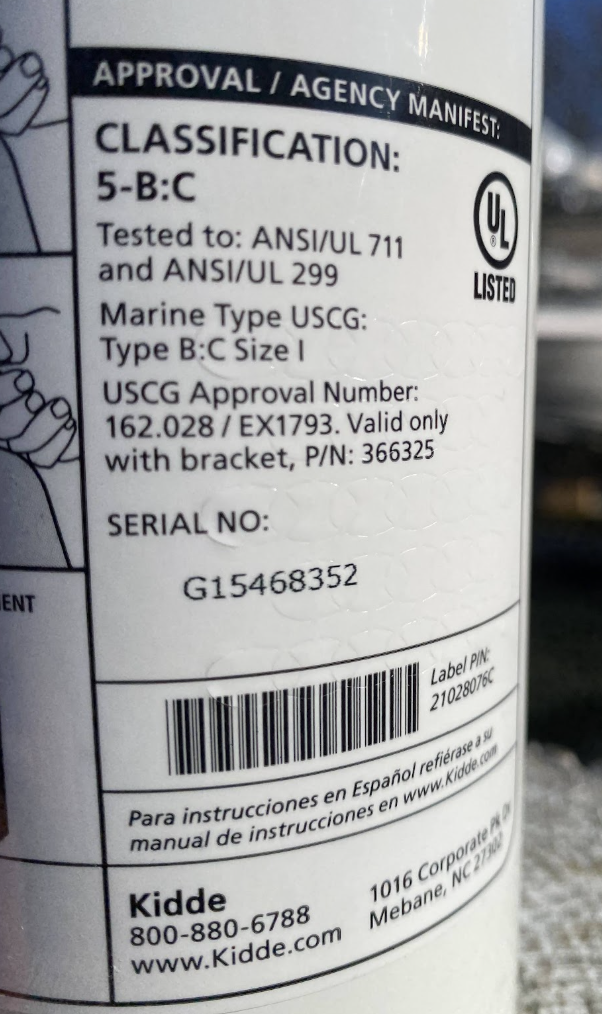
- Fire extinguishers (charged, in date, mounted)
- Navigation lights (operational)
- Sound-producing device (horn/whistle)
- Visual distress signals (not expired)
- Registration or documentation
- Overall vessel condition
The “Why” Behind the Checklist
Each item exists because of real incidents:
- Life jackets — most fatalities involve no PFD
- Fire extinguishers — engine fires escalate in seconds
- Nav lights — collisions often happen at dusk/night
- Horn — critical for signaling in low visibility
What Examiners Notice (But Don’t Always Say)
Experienced Vessel Examiners also look at:
- General seamanship
- Line condition
- Clutter on deck
- Electrical condition
- Operator awareness
This “unofficial” evaluation often tells more than the checklist.
Boat owners who maintain high standards are better prepared for real-world operation — and more attractive to renters or charter clients on BoatnCrew.com.