17. 🛰️ Staying Connected at Sea: Why Every Boater Needs a VHF Radio (and Should Monitor Channel 16)
Whether you're enjoying a leisurely weekend cruise or embarking on a long-range voyage, staying connected is essential for safety on the water. One piece of marine equipment that should never be overlooked is the VHF (Very High Frequency) marine radio. While many boaters carry mobile phones, these devices are not a substitute for a reliable VHF radio when you’re offshore or out of range.
Here’s why every captain and crew member should consider a VHF radio essential—and why monitoring Channel 16 is a non-negotiable practice:
📡 What Is a VHF Radio?
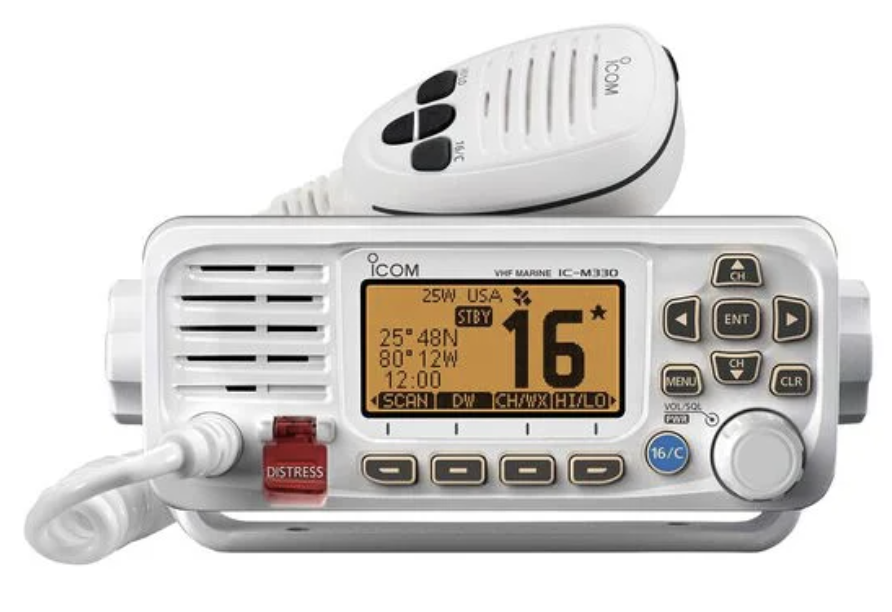
A VHF marine radio is a two-way communication system that operates on line-of-sight frequencies designated specifically for marine use. Unlike mobile phones, VHF radios are built for harsh marine environments and provide immediate access to other vessels, marinas, harbormasters, and—most importantly—emergency services.
📶 The Role of Channel 16
Channel 16 (156.800 MHz) is the designated international distress, safety, and calling channel. It is continuously monitored by the U.S. Coast Guard and most commercial vessels.
Monitoring Channel 16 allows you to:
- Hear and report emergency broadcasts
- Respond to distress calls from other vessels
- Be alerted to navigational hazards or weather advisories
- Contact another boat or station before switching to a working channel
⚠️ Legal and Safety Considerations
In many regions, vessels over a certain size or those operating commercially are required by law to have a working VHF radio onboard. Even if your vessel is not subject to these requirements, having and properly using a VHF radio could make all the difference in an emergency.
Best Practices:
- Keep your radio powered on and set to Channel 16 while underway
- Perform a radio check before departure
- Learn and use proper marine radio etiquette
- In distress, use:
- “MAYDAY, MAYDAY, MAYDAY,”
- followed by your vessel’s name, position, nature of distress, and the type of assistance needed
🛠️ Choosing the Right VHF Radio
There are two primary types of VHF radios:
1. Fixed-Mount VHF
- Higher power and extended range
- Connected to vessel power and an external antenna
- Ideal for most recreational and commercial vessels
2. Handheld VHF
- Portable, battery-powered, and waterproof
- Great for tenders, dinghies, or as a backup radio
Key Features to Look For:
- DSC (Digital Selective Calling) for automated distress alerts
- Built-in GPS for transmitting your exact location
- NOAA Weather Alert Channels
- Long battery life (especially for handhelds)
🌊 Final Thoughts
A VHF radio is more than just a communication tool—it’s your lifeline at sea. Monitoring Channel 16 isn’t just about following protocol; it’s about looking out for your fellow mariners and ensuring you’re never truly alone on the water.
Before you cast off, double-check that your VHF radio is powered on, tuned in, and ready to transmit. Because on the water, communication isn’t optional—it’s critical.
🧭 A Safety Message from BoatnCrew.com
At BoatnCrew.com, we believe that preparedness is the first step toward a safe and enjoyable journey. We encourage all boaters, captains, and crew to make VHF radio use a non-negotiable part of their safety routine.
Stay alert, stay connected, and sail safe—
The BoatnCrew.com Team ⚓