163. Why Boats Capsize: Real-World Stability Risks Every Boater Should Understand
Stability Isn’t Just a Test — It’s What Keeps You Alive
Most boaters hear about “stability tests” in the context of inspections or regulations. But stability is not just a requirement — it’s what determines whether your vessel stays upright in real-world conditions.
Boats don’t capsize because of one big mistake.
They capsize because of small decisions adding up:
- weight in the wrong place
- passengers moving suddenly
- unexpected waves
- poor judgment in weather
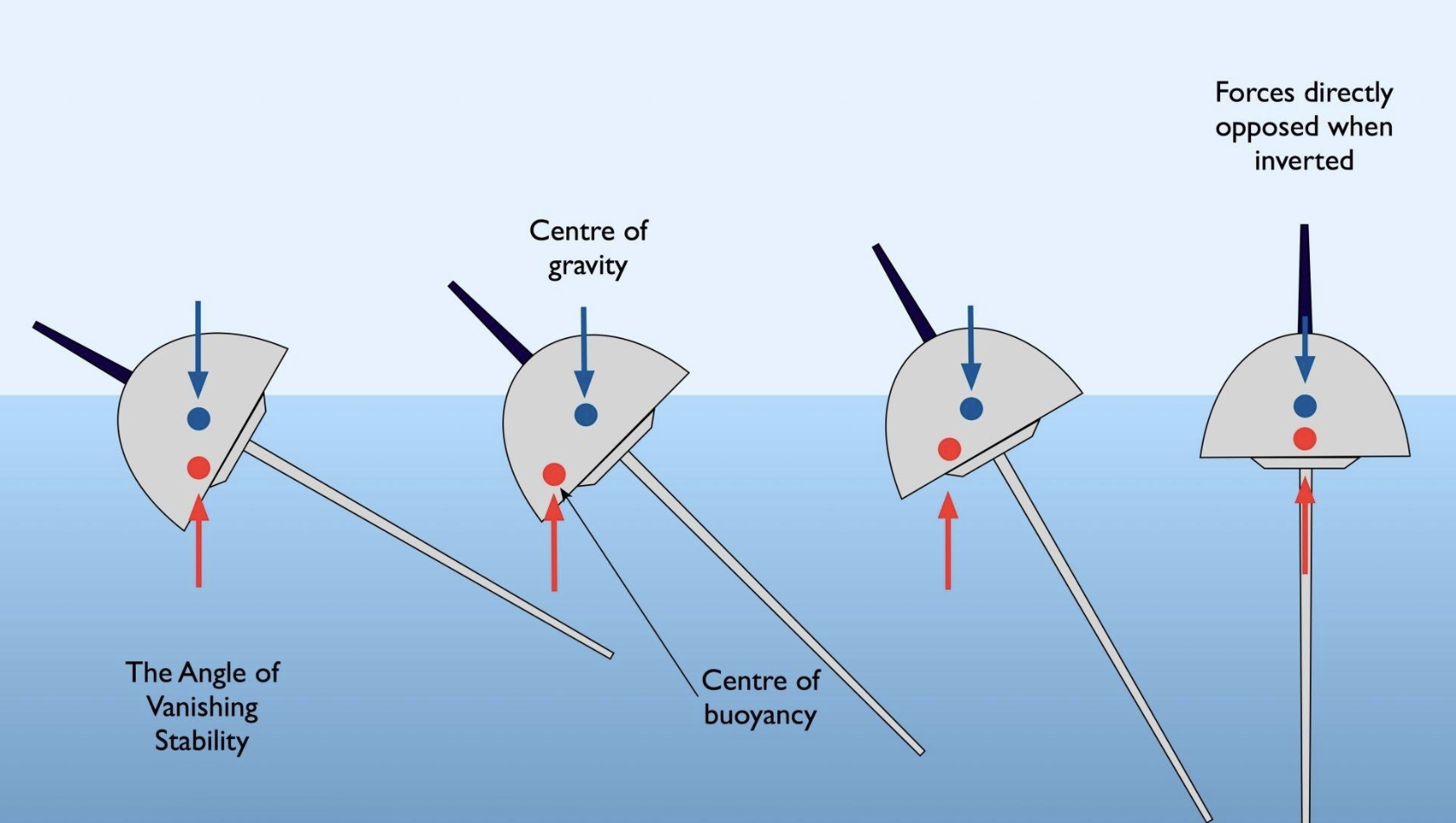
Understanding how stability works in real situations can prevent accidents before they happen.
The Biggest Mistake: Ignoring Weight Distribution
On smaller vessels, stability can change instantly.
Common mistakes include:
- Passengers all moving to one side
- Standing while underway
- Uneven loading (coolers, gear, fuel)
- Sudden shifting during turns
Even calm water can become dangerous if weight is not balanced properly.
👉 This is why captains must actively instruct passengers where to sit and when to move.
When Conditions Change, Stability Changes
A boat that feels stable at the dock may behave very differently when:
- Waves increase
- Wind picks up
- Currents shift
- Speed increases
What felt “safe” minutes ago may no longer be safe.
The Hidden Danger: Turning at Speed
One of the most overlooked risks:
👉 sharp turns at speed
This can cause:
- sudden leaning
- loss of balance
- passengers shifting
- potential rollover (especially smaller vessels)
Real-World Risk Scenario
Imagine:
- 4–6 passengers onboard
- Calm conditions at departure
- Weather begins to shift
- Passengers move to one side to look at something
That combination — not any single factor — creates instability.
Why This Matters for Charter and Rental Boats
When you have passengers onboard:
- They don’t understand weight distribution
- They move unpredictably
- They react to waves and motion
That makes stability your responsibility, not theirs.
Boat owners listing vessels on BoatnCrew.com should understand that safe passenger management is a key part of operating responsibly.
Professional Operators Think Ahead
Experienced captains:
- control passenger movement
- anticipate wave patterns
- adjust speed early
- avoid sharp maneuvers
They don’t wait for instability — they prevent it.
The Role of Inspections (And What They Don’t Cover)
Formal stability tests (like inclining experiments) are required for certain vessels under 46 CFR Subchapter T.
Reference:
https://www.ecfr.gov/current/title-46/subchapter-T
But those tests:
👉 don’t account for real-world passenger behavior
👉 don’t account for sudden decisions
👉 don’t account for human error
That’s where seamanship comes in.
Final Thought
Stability is not something you check once.
It’s something you manage constantly.
- Watch your passengers
- Watch your speed
- Watch your conditions