166. Boating Safety Basics Every Operator Should Follow
Safety Starts Before You Leave the Dock
Many boating incidents can be prevented with simple preparation. Whether operating recreationally or professionally, safety begins before departure.
Engine Cut-Off Switch (Kill Switch)
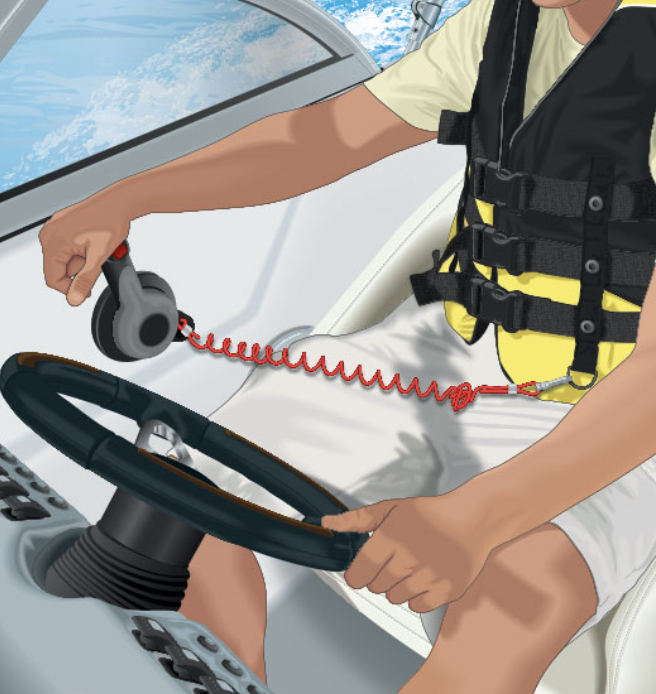
For most vessels under 26 feet (commonly interpreted around 21–26 ft depending on configuration), operators are required to use an engine cut-off switch (ECOS).
This tether:
- Attaches to the operator
- Stops the engine if the operator is thrown overboard
Failure to use it can result in fines.
Reference:
USCG ECOS Rule
https://www.uscgboating.org/recreational-boaters/engine-cut-off-switch.php
Weight Distribution Matters
Improper weight distribution is a leading cause of small vessel instability.
Operators should:
- Avoid crowding one side
- Keep weight centered
- Instruct passengers where to sit
This is especially critical on smaller boats.
Before You Leave
Always:
- Check weather conditions (NOAA Marine Forecast)
- https://marine.weather.gov
- Inspect lines and dock connections
- Check battery voltage
- Confirm navigation lights are working
- Test horn and radio
- Run engine compartment blower (if applicable)
Float Plans Save Lives
Before departure:
- Share your route with someone
- Provide expected return time
You can also use the USCG Boating App to log your trip.
Reference:
https://www.uscgboating.org/mobile/
Boat owners and operators who prioritize safety build trust and long-term success. Platforms like BoatnCrew.com connect responsible operators with customers who value professional standards.