166. Becoming a Licensed Captain: Responsibilities, Costs, and Realities
What It Really Means to Hold a Captain’s License
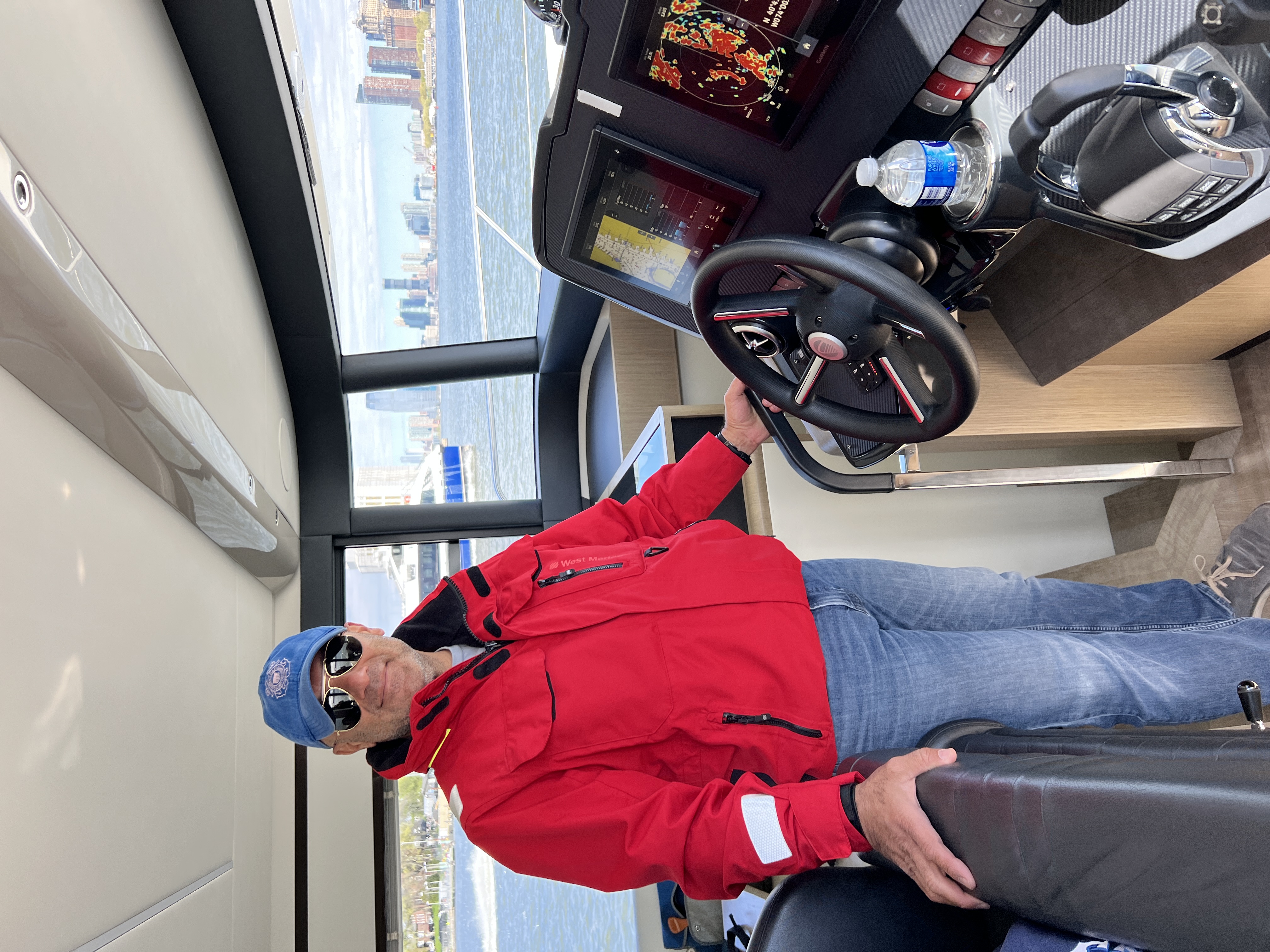
Many boaters consider obtaining a U.S. Coast Guard captain’s license, but fewer fully understand what comes with it. A Merchant Mariner Credential (MMC), whether OUPV (“6-pack”) or Master, is not just a qualification — it carries legal responsibility, ongoing costs, and ethical obligations.
Reference:
USCG National Maritime Center
The Responsibilities Go Beyond Driving a Boat
Once licensed, a captain is legally responsible for:
- Passenger safety
- Vessel operation
- Compliance with maritime law
- Navigation decisions
A licensed captain is expected to act as a professional mariner, even in situations outside normal operations.
Ethical Obligations at Sea
Under maritime law and long-standing tradition, captains have a duty to assist others in distress when safe to do so.
Failing to respond to a distress situation — especially if nearby and capable — can lead to:
- Legal consequences
- Fines
- Loss of license
Reference:
46 U.S. Code § 2304 — Duty to Provide Assistance
Ongoing Costs and Maintenance
Holding a license is not a one-time achievement.
Captains must maintain:
- License renewal (typically every 5 years)
- Medical certificate
- Drug testing compliance (DOT program)
- Sea time documentation
Reference:
https://www.transportation.gov/odapc
These ongoing requirements add both cost and responsibility.
Should You Get Licensed?
If you are not planning to:
- Work professionally
- Run charters
- Operate commercially
You should carefully weigh whether the license is necessary.
A captain’s license carries responsibility — not just privilege.
Where BoatnCrew Fits In
For those pursuing professional opportunities, BoatnCrew.com provides a platform to connect licensed captains with vessel owners and employers.
Boat owners hiring captains may also use SeaCred.com to verify credentials.